Trail Descent Racing 3D
Developer: Fine Ember Games
Updated: 2026-10-01
Reviews
Trail Descent Racing 3D targets players who want arcade downhill racing without a steep learning curve. Its five routes, dynamic weather, and automatic balance assist make it easy to start, while later descents demand precise timing. The main limitation is that customization is purely cosmetic, so progression is about style rather than performance. Best suited for casual racing fans who enjoy time trials and replaying routes to improve.
Description
Five Routes, Five Personalities
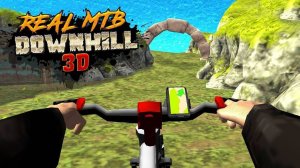
Trail Descent Racing 3D spreads its racing across five mountain routes, each with its own look and terrain challenges. Some paths cut through dense forests where loose gravel punishes lazy steering. Others climb onto exposed ridges, with wind that can nudge your line. The weather system changes how each route plays: rain slicks the surface and cuts tire grip, while dry conditions keep handling predictable. Because the forecast shifts, the same trail rarely feels identical twice. You learn to read conditions before you commit to a fast line.Handling Without the Headache
The control scheme is deliberately simple. You steer with on-screen inputs, and the game manages much of the bike's balance for you. That makes it easy to pick up, but tight corners and steep drops still demand attention. The physics give the bike believable weight, especially when you land a jump or skid through loose dirt. Speed management becomes the central decision: push too hard and you risk losing control, ease off too much and the timer becomes your enemy. There is no complex tuning menu to master before you can ride well.Weather as a Real Variable
Weather in Trail Descent Racing 3D is not just a visual filter. Rain reduces traction, so corners become more treacherous and you need to brake earlier. Sunshine dries the trail and offers maximum grip, rewarding aggressive cornering. This adds a strategic layer: you must adjust your approach based on current conditions and remember which sections turn hazardous when wet. The result is that familiar routes can still surprise you, and no two runs play out exactly the same way.Earning and Customizing
Completing routes earns in-game currency that you spend in the customization menu. You can change your bike's color scheme and unlock new riding outfits. These options are purely cosmetic, so they never affect performance. The progression system encourages replaying earlier routes to gather enough currency for the items you want, giving you a clear goal beyond simply finishing each course. It is a light but steady loop that keeps you returning to trails you already know.Difficulty That Builds
Routes are introduced in a logical order. Shorter, less technical paths come first, helping you build confidence with the basic controls and learn to spot obstacles. Later routes are longer and more complex, demanding precise timing and a good sense of when to push speed versus when to hold back. The timer adds pressure without feeling unfair, as most routes allow a few seconds of leeway for minor mistakes. That balance makes the game approachable for newcomers while still offering a genuine challenge on the tougher descents.Compatibility
💻 Desktop | 📱 Mobile | 📟 Tablet
– All supported · Best with Chrome or Safari
Faq
How many routes are in Trail Descent Racing 3D?
The game includes five distinct mountain routes. Each one has its own visual identity and terrain challenges, from forest paths with loose gravel to exposed ridges with stronger wind. The weather system can make the same route play differently depending on conditions.
Does weather affect gameplay in Trail Descent Racing 3D?
Yes. Rain reduces tire traction, making corners more treacherous and requiring earlier braking. Dry, sunny conditions offer maximum grip for faster cornering. You need to adjust your approach based on the current forecast, and some sections become especially hazardous when wet.
Can I upgrade my bike's performance in Trail Descent Racing 3D?
No. The customization menu only offers cosmetic changes, such as bike color schemes and new riding outfits. These items do not affect speed, handling, or any other performance stat, so progression is about style rather than gaining a competitive edge.
Is Trail Descent Racing 3D hard for beginners?
It is designed to be accessible. The control scheme is simple, with on-screen inputs and automatic balance assistance. Early routes are shorter and less technical, helping new players build confidence. Later routes demand more precise timing, but the timer allows a few seconds of leeway for minor mistakes.
How do I earn currency in Trail Descent Racing 3D?
You earn in-game currency by completing routes. That currency is spent in the customization menu to unlock bike color schemes and riding outfits. Replaying earlier routes is a practical way to gather enough currency for the items you want.
Does Trail Descent Racing 3D have multiplayer?
The provided information does not mention multiplayer or online modes. The game appears to focus on single-player time trials against the clock across its five routes. Any multiplayer feature would need to be confirmed by the developer or store listing.



Editorial Notes