Precision Drift Racing Challenge
Reviews
Precision Drift Racing Challenge strips racing down to drift scoring and time pressure. The dual objective of hitting a target score and finishing before the timer ends creates a clear risk-reward loop: longer slides earn more points but cost speed. Track progression introduces tighter corners and shorter limits, which keeps the challenge fresh. It suits players who enjoy repeatable, skill-based sessions and incremental improvement rather than story or multiplayer.
Description
Scoring Through Controlled Slides
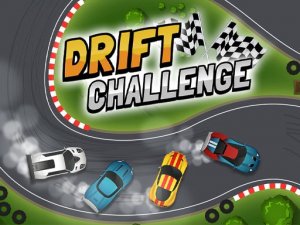
Precision Drift Racing Challenge centers on a single, repeatable action: turning sharply to break traction and holding the slide for as long as possible. Points accumulate every second the car remains sideways, so a long drift is worth more than several short ones. The trade-off is control. A slide that lasts too long or drifts too wide costs speed and risks the run, while a cautious approach leaves points on the table. This balance between angle and momentum is what separates a clean lap from a failed attempt.
Time Pressure and Track Objectives
Each level sets two conditions that must both be met: reach the target score shown on screen, and cross the finish line before the countdown reaches zero. Neither goal can be ignored. A player who drifts beautifully but runs out of time fails, and a player who finishes quickly without enough points also fails. This dual requirement forces route planning. Longer drifts on wide corners may be safer for points, while tighter sections demand shorter, sharper slides to preserve time. The timer adds urgency without turning the game into a pure speed contest.
Track Progression and Difficulty Curve
Tracks unlock only when both the score and time requirements are satisfied. Early circuits use gentle corners that allow extended slides and generous countdowns, giving new players room to learn steering and drift timing. Later tracks introduce tighter corners and shorter time limits, which changes the optimal line through each section. A corner that once supported a single long drift may now require two quick ones. Because the layout changes with each level, players cannot rely on muscle memory alone; they must read the track and adjust their approach.
Controls and Accessibility
The game uses keyboard or device controls to steer the car. Initiating a drift requires a sharp turn followed by sustained input to hold the slide, which is simple to start but difficult to master. There is no combat, no traffic, and no inappropriate content, making the game suitable for a wide age range. Sessions are short by design, so progress comes from repeated attempts rather than marathon play. Players who enjoy precision driving and incremental improvement will find the structure rewarding.






Editorial Notes