Color Path 3D Runner
Reviews
Color Path 3D Runner succeeds by keeping its scope tight. The swipe-only control removes any learning barrier, and procedurally varied paths prevent runs from feeling identical. Acceleration belts add a light risk-reward decision, while the absence of a timer lets players focus on accuracy. Its main limitation is depth: there is no progression system, story, or multiplayer mentioned. Players who want a simple, repeatable arcade challenge will get the most from it.
Description
Steering a Ball Through Ever-Changing Tracks
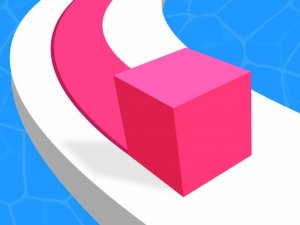
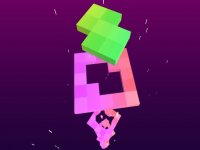
[IMG_1] Color Path 3D Runner strips the endless runner formula down to a single gesture: sliding your finger left or right. That motion shifts the ball's position on a three-dimensional path. The only objective is to keep moving forward without hitting an obstacle. Because each run generates a unique path, there is no memorization route. You react to what appears ahead rather than learning a fixed sequence. The absence of a time limit means precision matters more than raw speed, though acceleration belts tempt you to push faster.
How Acceleration Belts Change Your Run
[IMG_2] Acceleration belts appear on the track and give the ball a temporary speed boost. Covering more ground quickly sounds helpful, but the increased velocity shortens your reaction window. A belt placed before a narrow gap forces a fast decision: take the boost and risk a tighter dodge, or steer around it and keep a manageable pace. That trade-off between speed and control is the closest thing to strategy in an otherwise reflex-driven game.
Visual Style and Ball Customization
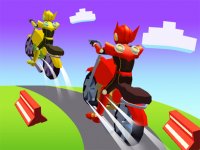
[IMG_3] Bright multi-color environments and smooth animation define the presentation. The tracks are built from vivid blocks and gradients, which makes obstacles stand out against the background. Multi-color skins let you change how the ball looks, adding a small personal touch without affecting gameplay. The clean visual language suits short sessions, whether you have a few minutes during a break or want something low-pressure to unwind.
Who Gets the Most From It
The difficulty curve starts gently and ramps up through faster sections that test reflexes. Players who enjoy quick, repeatable challenges will find the one-touch control easy to pick up, while the escalating speed keeps them returning to beat their previous distance. Younger children can manage the basic swipe, and adults looking for a light coordination exercise will find the same appeal. It is a family-friendly game that rewards alertness rather than long play sessions.





Editorial Notes