Forest Escape Puzzle Adventure

Reviews
Forest Escape Puzzle Adventure delivers a low-stress puzzle experience set in a serene woodland. The point-and-click interface and hidden object challenges make it easy to pick up, while the lack of time limits encourages thorough exploration. It suits casual players and puzzle fans who prefer logic over reflexes. The game's main limitation is that it offers no complex mechanics or fast-paced action, so those seeking excitement may find it too slow. Overall, it provides a relaxing, brain-teasing escape for all ages.
Description
Objective and Setting
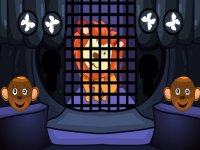
Forest Escape Puzzle Adventure places players in a dense, serene woodland after a visit. The goal is straightforward: explore the environment, uncover clues, and solve puzzles to find a way out. The game emphasizes observation and logical thinking over reflexes or speed. [IMG_1] The natural setting provides a calm backdrop, and the family-friendly design ensures the content remains suitable for all ages.
Core Interaction and Puzzle Solving
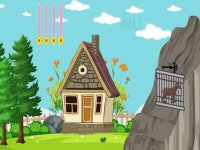
Players use the mouse to click on objects and interact with the environment. Progress depends on searching for hidden items, collecting clues, and solving puzzles that block the path. Each solved puzzle brings the player closer to freedom. The challenge lies in paying attention to details and thinking creatively—sometimes the solution requires combining items or approaching a problem from a different angle. [IMG_2] There are no time limits, so players can examine every scene thoroughly without pressure.
Pacing and Accessibility
The game is designed for a relaxed pace. Without timers or complex controls, it appeals to casual players and puzzle enthusiasts alike. The difficulty comes from the puzzles themselves, not from demanding input. This makes it easy to pick up but still satisfying for those who enjoy brain-teasing challenges. The forest theme and lack of pressure create a low-stress experience suitable for short or long sessions.
Tips for Playing
Take your time to examine each scene for hidden clues and objects. Keep track of what you find, as clues may be needed later. If you get stuck, try interacting with every object in the environment—even small details can be important. Think creatively when solving puzzles; the solution might involve combining items or looking at the scene from a new perspective. Enjoy the process without rushing.






Editorial Notes