Sound Learning Puzzle for Kids
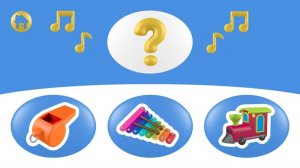
Puzzle Educational Kids Sound Learning Matching Auditory Development Preschool
Sound Learning Puzzle for Kids
63
Developer: Oak Pixel Creations
Published: 1774108800
Updated: 2026-09-30

Reviews

Sound Learning Puzzle for Kids focuses on one skill—linking everyday sounds to their sources—and builds its entire design around that goal. The tap-to-hear mechanic and picture matching are simple enough for very young children, while progressive categories give the activity room to grow. Cheerful feedback and child-led pacing keep sessions positive. The main limitation is scope: this is a first learning tool, not a deep game, and its value depends on how much a child needs auditory practice.

Description

What Children Actually Do

Each round presents a sound and a set of pictures. The child listens, then taps the picture that matches the source. Tapping objects on screen also plays their sounds, so children can explore before answering. This two-way interaction—hearing then choosing—keeps the activity focused on recognition rather than memorization of labels.

How the Game Supports Early Learners

Controls are designed for small fingers: large tap targets and no complex menus. Gentle audio cues and visual feedback respond to every choice, so children always know whether they are on track. Correct answers trigger cheerful animations or sounds, reinforcing the behavior without pressure. The pace is child-led, meaning no timers or penalties interrupt exploration.

Progression and Content Categories

The game organizes sounds into everyday groups such as animals, vehicles, household items, and musical instruments. Levels advance as children succeed, introducing less familiar sounds gradually. This structure lets a toddler start with obvious matches, like a dog barking, before moving to subtler distinctions, like a clock ticking versus a bell ringing.

Visual and Audio Design

Vibrant, family-friendly scenes keep attention on the matching task. Sounds are clear and high-quality, which matters because the entire activity depends on accurate auditory cues. The interface avoids clutter, so the connection between a sound and its picture remains the central focus.

Editorial Notes

Compatibility

Play on Any Device | Chrome / Safari / Edge Recommended

Faq

What age group is Sound Learning Puzzle for Kids designed for?
The game targets toddlers and preschoolers, typically ages two to five. Its simple tap controls and forgiving feedback suit children who are just beginning to use touchscreens or a mouse. Older children may still enjoy it as a quick review, but the content is paced for early learners.
Does Sound Learning Puzzle for Kids require reading or text instructions?
No. The game relies on audio cues and picture matching, so pre-readers can play independently. Parents or caregivers may still want to sit nearby during early sessions to help children understand the listen-then-tap pattern, but the interface itself does not depend on written words.
Can children play Sound Learning Puzzle for Kids without adult supervision?
The game is designed for easy interaction, even for the youngest players, so independent play is possible. However, the input does not specify parental controls or time limits. Caregivers should decide based on their child's comfort with touchscreens and set their own session boundaries.
What sound categories are included in Sound Learning Puzzle for Kids?
The game covers everyday sounds from animals, vehicles, household items, and musical instruments. These categories are introduced through colorful scenes, and the game suggests starting with animals before moving to more complex groups like household items. The exact number of sounds per category is not specified.
Is there a scoring system or penalty for wrong answers in Sound Learning Puzzle for Kids?
The game emphasizes positive reinforcement. Correct answers bring cheerful animations or sounds, and gentle audio cues guide children through the activity. The input does not mention penalties, timers, or losing conditions, so wrong answers appear to be treated as part of the learning process rather than failures.
How can parents help children get the most from Sound Learning Puzzle for Kids?
Play together and talk about each sound to reinforce learning. Encourage listening before tapping, start with easier categories like animals, and repeat levels to build memory and confidence. Short, fun sessions work best, and celebrating correct answers can boost motivation without turning the game into a test.