Bouncing Fruit Dash
Reviews
Bouncing Fruit Dash works because it removes everything except timing. One tap lifts the fruit, gravity brings it back, and scrolling gaps decide whether the run continues. The minimal presentation is not a limitation here; it keeps gap sizes readable during fast movement. Difficulty rises steadily through tighter spacing rather than sudden spikes, which suits players who enjoy mastering a single skill. The lack of checkpoints and unlockables keeps the experience pure, though players who want variety or progression systems may find it thin.
Description
A Single Tap, Constant Gravity
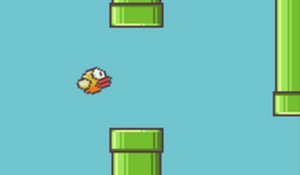
Bouncing Fruit Dash reduces its control scheme to one input: tap the screen or click the mouse to nudge the fruit character upward. Gravity immediately pulls it back down, so every tap is a short correction rather than a sustained climb. That push-and-pull creates a rhythm the player has to feel out, not just react to.
The fruit travels through vertical obstacles that scroll from right to left. Gaps in those obstacles are the only safe passage. Clearing one earns a point, and the run continues until the fruit touches an obstacle, the ground, or the top boundary. There are no checkpoints, so each attempt is self-contained.
Why Timing Changes Every Run
Because the fruit's position depends on when the last tap happened, the exact moment to tap shifts with every obstacle arrangement. Two gaps that look similar may need different rhythms depending on how far the fruit has drifted. This is what keeps repeated attempts from feeling identical — the input is simple, but the required timing is not fixed.
Difficulty That Builds Without Spikes
As the score climbs, obstacles appear more frequently and their gaps tighten. The increase is gradual rather than sudden, which means early runs stay approachable for new players while later stretches demand finer precision. The game tests the player's own improvement against a steadily rising bar instead of throwing random speed changes at them.
Minimal Presentation, Clear Read
The visual style is deliberately plain. The fruit uses bright, friendly colors against a simple background, and obstacles are drawn in contrasting shades so gap sizes and positions are easy to judge at speed. There are no distracting animations or layered menus. That clarity matters most when the fruit is moving quickly and a fraction of a second decides whether the next gap is reachable.








Editorial Notes