Animal Puzzle Fun for Toddlers
Reviews
Animal Puzzle Fun for Toddlers keeps its scope narrow and that works in its favor. The drag-and-drop matching loop is immediately understandable, and the absence of timers or failure states suits the preschool audience. Multilingual narration and multiple puzzle themes extend the value beyond simple matching. The main limitation is that the input gives no detail on puzzle count, language list, or device support, so parents should verify those specifics on the hosting site.
Description
What Children Actually Do
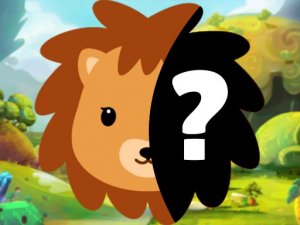
Each puzzle shows an animal scene with missing pieces. The child drags a piece from the side of the screen and drops it onto the matching empty spot. The interface is built for small fingers, so pieces are easy to grab and move. When every piece is placed correctly, a balloon pop and a cheerful sound reward the effort. That short loop—drag, match, celebrate—is the core of the game.
How the Game Supports Early Learning
The game pairs matching with voice narration. As children work, they hear animal names and pronunciations, which builds vocabulary and memory. Because the same animals appear across multiple puzzles, repetition reinforces recognition rather than introducing constant novelty. The game also supports multiple languages, so a child can hear animal names in more than one language. Parents of children with autism may find the calm pacing and predictable structure helpful, though the game is designed for all preschoolers.
Puzzle Variety and Themes
There are many puzzle pieces spread across numerous puzzles, giving children hours of matching practice. Beyond standard animal puzzles, the game includes new themes such as placing objects into a scene, jigsaw-style puzzles, and memory games. Each theme changes what the child must notice—shape, position, or recall—so the same drag-and-drop control scheme stays accessible while the thinking task shifts.
Interface, Audio, and Pace
The interface is intentionally simple: no reading required, no timers, no failure states. Gentle background music and simple animations keep the experience calm. Voice prompts encourage children without pressure. This design lets a child play independently once shown how to drag a piece, which matters for a preschool audience.
Getting the Most from Play
Start with simpler puzzles so the child experiences success early. Regular short sessions build matching and fine motor skills more effectively than one long sitting. Use the narration to name animals aloud together. Rotate themes when attention dips, and celebrate each completed puzzle to reinforce the learning loop.




Editorial Notes