Fruit Flyer

Reviews
Fruit Flyer is a casual arcade game that focuses on a single mechanic: tap to fly and collect fruit while dodging enemies and spikes. Its strength is accessibility—anyone can learn the controls in seconds—and its challenge comes from reading enemy patterns and managing risk. The game suits players who enjoy short, reflex-based sessions and self-competition through high scores. The main limitation is that the described content does not mention additional modes, characters, or progression beyond score tracking, so players seeking deeper systems may find it narrow.
Description
One-Tap Flight and Fruit Collection
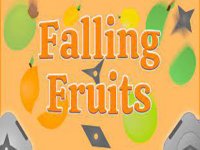
Fruit Flyer is an HTML5 arcade game made with Construct 2. You control a bird using a single input: tap or click to flap upward, release to descend. The goal is to collect as many fruits as possible while avoiding enemies and spikes. Each fruit adds to your score, and the run ends immediately if you collide with a hazard.
Risk and Route Planning
Enemies move across the screen and spikes sit in your path, so collecting fruit is not just about reaching it—it is about timing. Fruits placed near hazards require a quick decision: go for the points or play it safe. Because the bird's altitude depends entirely on your tap rhythm, you must constantly adjust to stay on a safe line while still grabbing fruit. [IMG_1]
Built for Short Sessions
The game is designed for quick play. A run can last a few minutes or less, and high score tracking lets you measure improvement across attempts. Colorful graphics keep the screen readable, which matters when you are watching for enemy movement and spike positions at the same time. There is no complex setup or learning curve—just tap, fly, and collect.
Reflex and Pattern Recognition
Success depends on steady tapping and reading enemy patterns. Consistent, light taps help maintain a stable altitude, while sudden changes in rhythm can send the bird into danger. Watching how enemies move across the screen and where spikes appear helps you anticipate safe routes. The challenge scales with your own ambition: safer paths yield fewer fruits, while risky routes offer more points but end runs quickly.








Editorial Notes