Find The Lion 2 Puzzle Adventure

Reviews
Find The Lion 2 Puzzle Adventure delivers exactly what its name suggests: a gentle search for a missing pet lion inside a forest house. The game's strength lies in its pacing—no timers, no violence, and hints available when needed. The gradual difficulty curve keeps puzzles engaging without becoming frustrating. It is best suited for casual players, families, and anyone new to point-and-click games. The main limitation is that the input does not describe specific puzzle variety or story depth, so players seeking complex mechanics may find it too simple.
Description
Searching the Forest House
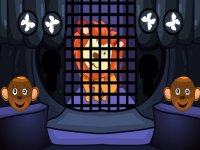
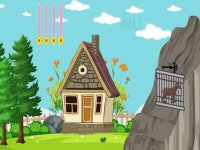
Find The Lion 2 Puzzle Adventure begins with a simple premise: your pet lion is missing, and the only place it could be is the forest house. You explore that house room by room, clicking on furniture, decorations, and anything that looks slightly out of place. The game rewards patience over speed. A cushion might hide a key; a bookshelf might conceal a clue. Each scene is packed with small details that matter later, so rushing usually means missing something and doubling back.
Puzzle Logic and Item Use
Most puzzles follow a logical chain: find an object, figure out where it belongs, and use it to unlock the next area. Some challenges require combining items you have collected, while others ask you to spot patterns or inconsistencies in a scene. The difficulty rises gradually, but the game offers subtle hints if you stall. There are no time limits or fail states, so you can experiment without pressure. The point-and-click interface keeps interactions simple—click to examine, collect, or use.
Atmosphere and Accessibility
The forest house setting is warm and detailed, with distinct rooms that each carry their own visual character. Calming music and soft graphics reinforce the relaxed tone. Because the game avoids violence and complex mechanics, it suits younger players and anyone new to puzzle games. Sessions can be short or long, depending on how thoroughly you search. The overall design prioritizes steady discovery over competition, making each solved puzzle feel like a small, earned victory.






Editorial Notes