Tinto Coin Quest
Reviews
Tinto Coin Quest keeps its scope tight: eight levels, a clear collect-then-flag objective, and hazards that end runs on contact. The moderate difficulty and simple arrow-key or on-screen controls make it approachable for younger players and casual platformer fans, while the growing obstacle complexity gives returning players something to master. It does not promise deep systems or lengthy content, but it delivers a focused, replayable arcade experience for its intended audience.
Description
Core Objective and Moment-to-Moment Play
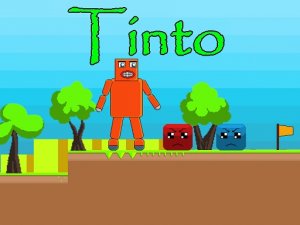
Tinto Coin Quest is a 2D platform game where the goal on every stage is twofold: gather the shiny coins placed around the level, then touch the yellow flag to move forward. The coins are not optional decoration—they define the route you take and encourage you to explore each layout rather than sprint to the exit. Spikes and enemies are the two hazards that can end a run, so each jump and step involves a quick risk assessment. The controls are deliberately simple: arrow keys or on-screen buttons move your character left or right, and the up arrow or jump button handles leaps over obstacles.
Level Structure and Difficulty Curve
Eight levels make up the full game, and each one introduces new obstacle arrangements and layouts. The difficulty sits at a moderate level throughout, which means the game asks for quick reflexes and some planning without becoming punishing. Early stages teach the basic rhythm of coin collection and hazard avoidance, while later levels combine those elements in ways that require you to read enemy movement before committing to a jump. Because the challenge grows gradually, practice directly translates into progress—replaying a section builds the muscle memory needed to clear it.
Who This Platformer Suits
The colorful graphics and straightforward control scheme make Tinto Coin Quest easy to pick up for younger players or anyone new to platformers. At the same time, the coin-collection requirement and the need to time jumps around moving enemies give more experienced players a reason to replay levels for cleaner runs. It is a family-friendly game in both presentation and difficulty, and the eight-level structure keeps sessions short enough for casual play while still offering a sense of progression.






Editorial Notes