Sprunki Dash Adventure
Reviews
Sprunki Dash Adventure stands out from typical endless runners by tying score to team size. Picking the right numbered door adds characters, so each run mixes reflex jumps with quick risk-reward decisions. The escalating speed keeps it engaging for short sessions, and the bright presentation suits younger players. The main limitation is that progression depends on skill rather than unlocks, which may not satisfy players seeking long-term rewards.
Description
Core Running and Team Growth
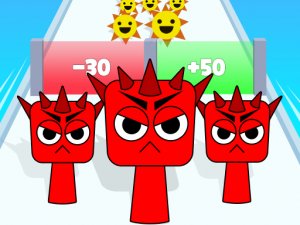
Sprunki Dash Adventure is an endless runner built around a simple twist: your score depends on how many characters you can add to your group. The team moves forward automatically, so your attention stays on two decisions—which numbered door to enter and when to jump. Choosing the correct door increases the group size and raises the score potential. A wrong choice costs you the chance to grow, making each door a quick risk-reward test.
Obstacles and Timing
Rolling hazards appear along the course and require precise jumps. Because the team runs automatically, mistiming a jump ends the run or breaks your momentum. The game gradually increases speed and complexity, so the same obstacle pattern demands faster reactions later. This shift from relaxed to demanding keeps early runs approachable while giving experienced players a reason to sharpen their reflexes.
Controls and Accessibility
Controls are limited to taps or clicks for jumping and selecting doors. That simplicity makes the game easy to start, but the door choices add a strategic layer beyond pure reflex. Players who plan which doors to target—rather than reacting at the last second—tend to build larger teams and survive longer. The family-friendly presentation and upbeat soundtrack suit short sessions, while the escalating pace supports longer play.
Progression and Replay
Each run offers a fresh set of challenges, so no two attempts feel identical. Progression comes from improving your reaction time and decision-making rather than unlocking permanent upgrades. The team-building mechanic gives every run a clear goal: grow the group, avoid hazards, and push the score higher. That structure rewards repeated attempts without requiring a large time commitment.









Editorial Notes