Five in a Row: Classic Board Game
Reviews
Five in a Row earns its enduring popularity by making every match a fresh puzzle. The rules fit on a napkin, yet the board creates constant tension between building your line and blocking your opponent's. It works well for mixed-age groups because no one needs fast reflexes or prior experience. The main limitation is that it requires a second player, so solo sessions are not possible. For anyone who enjoys chess-like planning without complex rules, this is a reliable choice.
Description
The Core Objective
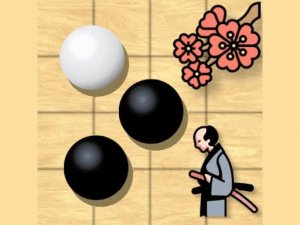
Five in a Row, historically known as Gomoku, is a two-player game played on a gridded board. Each player places colored pieces on intersections, aiming to be the first to complete an unbroken line of five pieces in any direction: horizontally, vertically, or diagonally. The game ends when one player achieves this line, or in a draw if the board fills without a winner. Traditional boards use a 19x19 grid, while many modern versions use 15x15 for faster matches. [IMG_1]
Turn-by-Turn Decisions
Players alternate placing one piece per turn. Early moves often target the center, which offers the most directions for building lines. Every placement must balance offense and defense: you advance your own line while watching for opponent threats. A single missed block can hand the win to your rival. These choices create a constantly shifting board where no two matches unfold the same way.
Strategic Depth and Replayability
The rules take minutes to learn, yet the strategic possibilities are vast. Skilled play involves creating multiple threats at once, such as two separate lines of three that an opponent cannot block simultaneously. Pattern recognition and forward planning matter more than memorization. Because board positions rarely repeat, the game stays engaging across many sessions. It suits both casual family play and competitive tournaments.
Ways to Play and Who It Suits
Five in a Row works on a physical board or through digital adaptations. Some versions offer different board sizes or minor rule variations. The game is appropriate for all ages and is often recommended for family game nights or friendly competitions. Its emphasis on logic and observation makes it a comfortable fit for players who enjoy thoughtful, turn-based challenges rather than fast reflexes. [IMG_2]








Editorial Notes