Monkey Swing Adventure Clicker
Reviews
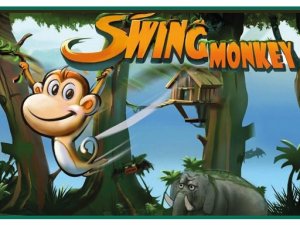
Monkey Swing Adventure Clicker takes the one-button swinging formula and applies it to two characters connected by a rope. That connection is what separates it from similar physics games: your taps alternate between the monkeys, and momentum carries both. The jungle levels, trampolines, and obstacles give each run a different shape, while unlockable skins add a light progression layer. It suits casual players who want quick attempts and players who enjoy refining timing. The main limitation visible in the input is that the core loop depends on the same swing-and-release action throughout, so variety comes from level layout rather than new mechanics.
Description
Two Monkeys, One Rope
Monkey Swing Adventure Clicker puts two monkey brothers on a shared rope and asks you to move them through a jungle. The rope is the central constraint: each monkey's position affects the other, so every tap changes the balance of the pair. You alternate taps or clicks between them, and the goal is to travel as far as possible before reaching each level's finish line.
Momentum and Release Timing
The core loop is swing, build, release. Tap and hold to grab a nearby ring, then rock back and forth to increase momentum. Let go at the right moment and the monkeys fly forward. Trampolines scattered through the levels launch them higher and farther, giving you extra distance when you connect. Trees and rocks act as obstacles, so a release that is slightly early or late can end a run.
Jungle Levels and Progression
Each run places the monkeys in a vibrant jungle with a different obstacle layout, so the timing that worked before may not work again. Reaching the finish line completes a level, while beating your best distance gives a personal target. Unlockable monkey skins add a cosmetic progression layer, letting you customize the characters as you keep playing.
Who It Suits
The one-button control scheme makes the game approachable for all ages, and the physics-based swinging gives it enough depth for players who want to improve their coordination and reaction speed. Short sessions work well because each attempt is quick, but the momentum system rewards repeated practice rather than luck.







Editorial Notes