Urban Challenge 3D Action Game
Reviews
Urban Challenge 3D Action Game targets players who want action combat with a strategic layer. The mix of punches, kicks, blocks, and dodges is familiar, but the emphasis on conserving health and choosing battles gives it a slower, more thoughtful pace than typical brawlers. The 3D city environments and varied opponents keep levels from feeling identical. Its main limitation is that the input does not detail story, multiplayer, or specific progression depth, so players seeking narrative or competitive modes should check further before committing.
Description
Combat Flow and Timing
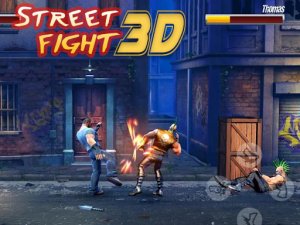
Fighting in Urban Challenge 3D Action Game centers on a small set of moves: punches, kicks, blocks, and dodges. The challenge is not learning the inputs but reading opponents and choosing the right response. A mistimed block leaves an opening; a dodge placed too early wastes the window to counter. Players who treat combat as a rhythm of observation and reaction tend to last longer than those who attack constantly. [IMG_1]
Deciding When to Fight
Not every encounter demands a fight. The game gives players the option to conserve health and resources by avoiding confrontation when possible, which makes each street and alley a small tactical puzzle. Engaging an opponent costs energy; skipping one preserves it for a tougher situation ahead. This tension between progress and preservation shapes how players move through each area.
City Environments and Opponent Variety
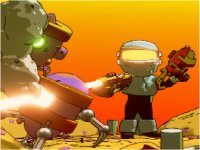
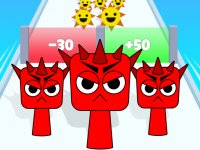
Levels take place across urban settings, from alleys to open streets, and each area introduces different opponent types and obstacles. Because the 3D perspective shows the surrounding city, players can observe their environment before committing to a route or a fight. New areas require adjusting tactics rather than repeating a single approach. [IMG_2]
Items, Power-Ups, and Progression
Collectible items and power-ups appear throughout the levels and can improve a character's performance. Upgrading abilities when possible helps offset the tougher opponents that appear later. The game rewards patience and precision over reckless action, so exploring thoroughly before advancing is often the smarter path.



Editorial Notes