Velocity Runner Synthwave
Reviews
Velocity Runner Synthwave keeps its scope tight: one character, two directions, and an endless corridor that gets faster. The link between music tempo and game speed gives players an audio warning that most runners lack, and the browser-based format removes friction for quick sessions. The main limitation is variety, since the input describes no modes, characters, or saved progression. Players who enjoy pure reflex tests and synthwave style will get the most from it.
Description
Lane-Switching Reflex Test
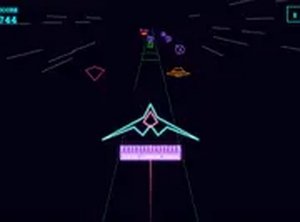
Velocity Runner Synthwave is an endless runner built around a single repeated decision: move left or right. The character advances automatically through a neon-lit corridor, so steering is the only input. Obstacles appear in your path, and each lane change must be timed to slip past them. Because there is no endpoint, the run continues until a collision ends it. That structure turns every session into a direct measure of reaction speed rather than level completion.
How Speed and Music Interact
The game does not stay at one pace. Speed climbs gradually, and the synthwave soundtrack rises with it. Music and difficulty are linked rather than separate layers, so the tempo you hear is a rough indicator of how fast obstacles will arrive. That synchronization gives players an audio cue for when to sharpen focus, which is unusual for a browser runner and central to the game's identity.
Controls and Platform Fit
Input is limited to taps or clicks that shift the character between lanes. No downloads or installations are required, and the game runs in both mobile and desktop browsers. Full-screen mode is supported for a less cluttered view. The simple control scheme makes the game accessible to a wide age range, though the later speed demands quick hands.
Difficulty Curve and Replay
Early obstacles follow readable patterns that let new players learn the rhythm. As velocity increases, those patterns arrive faster and require earlier decisions. There is no final stage or win screen, only the score you reach before a mistake. That design encourages repeated attempts to beat a personal best, and the growing tempo keeps each run from feeling identical.
Practical Tips for Longer Runs
Short, deliberate lane switches work better than panicked back-and-forth movement. Look ahead of the character rather than at the immediate lane, because reacting at the last moment leaves no margin. Practice helps you internalize common obstacle timings, and staying calm as the music accelerates is often what separates a long run from a short one.









Editorial Notes